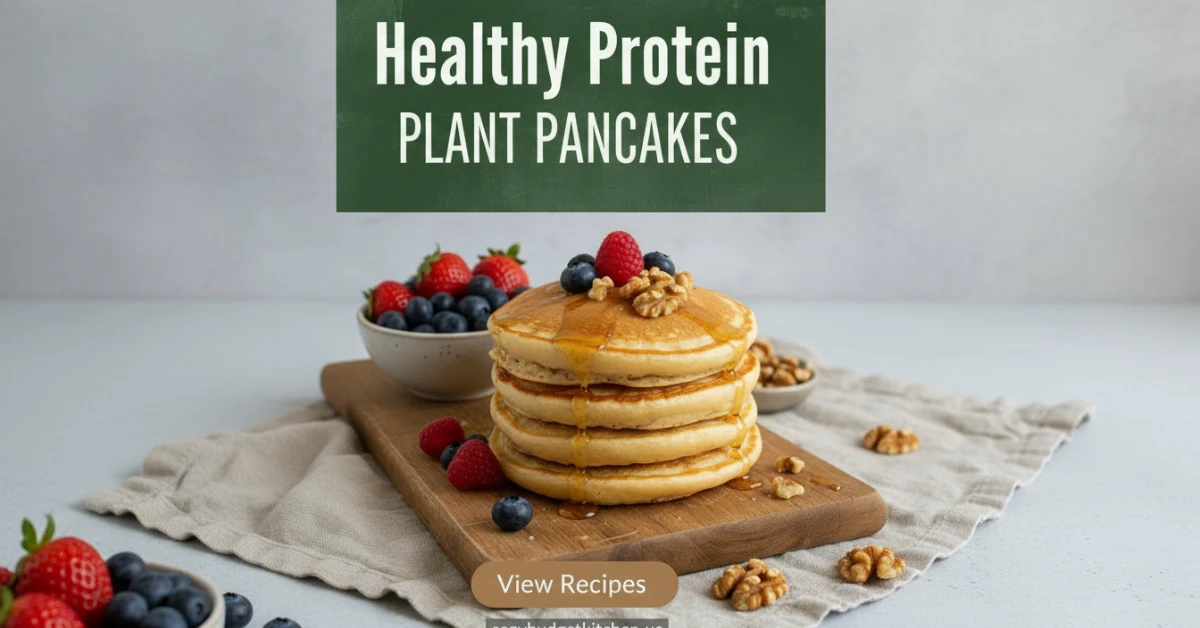
A Fluffy & Simple Vegan Protein Pancake Recipe
Welcome to my kitchen! If you are looking for a wholesome breakfast option, this plant-based pancake recipe is exactly what you need. Delivering a solid 9 grams of protein at just 137 calories per serving, it is the ultimate egg-free protein pancake. Whether you are a dedicated fitness enthusiast, following a plant-based diet, or just want a nutritious start to your morning, this dish hits the spot.
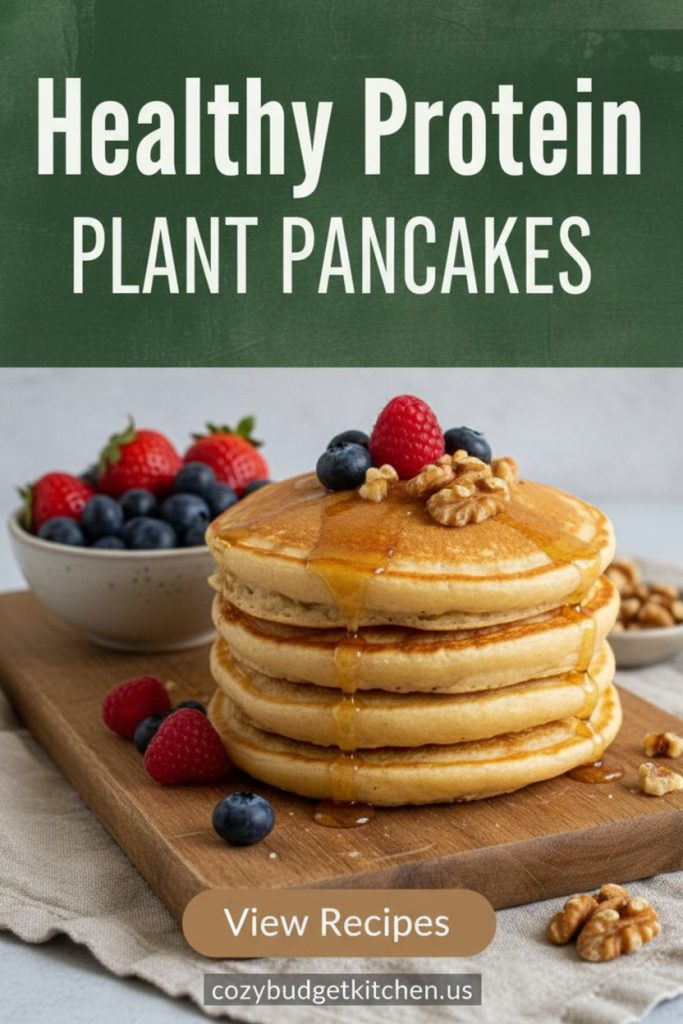
In this comprehensive guide, I will show you how to whip up a batch of protein pancakes that are not only packed with nutrition but also incredibly fluffy and deeply satisfying. (Don’t forget to save this post for later on Pinterest!)
Can You Make Protein Pancakes Completely Vegan?
Absolutely! While classic pancake batters rely heavily on dairy and eggs, you can easily craft a vegan version using plant-based alternatives without sacrificing that classic taste and texture.
To achieve this, you can swap out traditional eggs for a simple mixture of water and chia seeds or flaxseed meal. Instead of cow’s milk, pour in your favorite plant-based options like oat, soy, or almond milk. To give the batter that essential protein boost, simply stir in vegan sources such as soy, hemp, or pea protein powder.
When it comes to sweetening and flavoring your batter, natural choices like coconut sugar, agave nectar, or maple syrup work beautifully. A dash of cinnamon or a splash of vanilla extract will take the flavor to the next level. With these easy swaps, you can enjoy a protein-rich, dairy-free breakfast that fits perfectly into a vegan lifestyle.
Are These Plant-Based Protein Pancakes Good for You?
Depending on your preparation methods, these pancakes can be an incredibly healthy choice! They provide a fantastic source of protein, which is essential for muscle repair post-workout and keeps you feeling full and energized throughout the morning. Making them from scratch also means you have total control over what goes into your mixing bowl.
To maximize the health benefits, stick to wholesome ingredients. Use natural sweeteners like maple syrup sparingly, and lean on fresh fruits for extra vitamins and natural sweetness.
However, it is always wise to keep an eye on your toppings and portion sizes. Drowning your healthy breakfast in sugary syrups, mountains of chocolate chips, or excessive nut butter can quickly turn a nutritious meal into a high-calorie treat. Kept balanced, this is a wonderfully filling and nutritious morning option.
Choosing the Best Protein Powder for Your Batter
Personally, I highly recommend using single-ingredient protein powders. Options like pumpkin seed, soy isolate, hemp, or pea protein powder work wonderfully here, and you can successfully use any of these in this recipe.
Many commercial protein powder blends are heavily sweetened with stevia and packed with a long list of additives. By sticking to a pure, one-ingredient plant protein, I find that I can better control both the flavor profile and the overall quality of my breakfast. That being said, if you already have a favorite blended protein powder sitting in your pantry, feel free to use it!
Proper Storage for Your Vegan Protein Pancakes
If you have leftovers that you plan to eat within a day or two, simply place them in an airtight container in the fridge. To keep them from sticking to one another, slide a small piece of wax paper or parchment paper between each pancake.
For longer storage, freezing is a fantastic option! Allow your freshly cooked pancakes to cool down completely to room temperature. Stack them up, placing parchment paper between each layer, and slide them into a freezer-safe airtight container or resealable plastic bag. Press out as much air as possible before sealing to avoid freezer burn.
When you are ready for a quick breakfast, just reheat your frozen pancakes in the oven, toaster, or microwave until warmed through. While the texture might vary slightly from a freshly cooked batch, they remain a delicious and incredibly convenient morning meal.
Tips for Fluffy, Non-Rubbery Pancakes
Nobody likes a tough pancake! Here is how you can guarantee a light, fluffy texture every time:
- Pick the right dry ingredients: Use a finely milled, high-quality protein powder. Blending your protein powder with oat flour or all-purpose flour significantly improves the crumb.
- Don’t skip the leavening: Baking soda or baking powder are crucial for giving your batter that beautiful rise.
- Watch the heat: Cook on low to medium heat. A pan that is too hot will scorch the outside while leaving the inside dense and rubbery. Lightly grease a non-stick griddle or skillet.
- Time it perfectly: Overcooking leads to tough pancakes. Wait until you see little bubbles forming on the surface and the edges look set, then give them a quick flip to finish the other side.
A Step-by-Step Guide to Cooking Your Pancakes
- Grab a mixing bowl and toss together your salt, baking powder, protein powder, and flour.
- In a separate bowl, whisk your vanilla extract, apple cider vinegar, and plant-based milk until smooth.
- Gently pour the wet mixture into your dry ingredients. Stir just until they come together—be careful not to overmix! A few lumps in the batter are perfectly fine.
- If you like, gently fold in your favorite extras, such as chocolate chips, chopped nuts, or fresh berries.
- Allow a non-stick griddle or skillet to warm up over medium heat for a few minutes.
- Pour roughly 1/4 to 1/3 cup of batter into the pan for each individual pancake.
- Let them cook until the edges look dry and bubbles pop on the surface. Flip them over and cook until the bottom is a lovely golden brown (usually 2 to 3 minutes per side). Repeat until all your batter is gone.
- Serve them up piping hot with a dollop of dairy-free yogurt, fresh fruit, maple syrup, or your favorite vegan butter.
👩🍳 Sarah’s Kitchen: A Fluffy & Simple Vegan Protein Pancake Recipe
Nutrition Facts
Frequently Asked Questions
Can I make protein pancakes gluten-free?
Absolutely! Just swap the standard flour for a gluten-free alternative like gluten-free oat flour, rice flour, or almond flour. Double-check that all your other ingredients are certified gluten-free as well.
What’s the ideal protein content in protein pancakes?
This entirely depends on your personal dietary goals. Typically, a serving of protein pancakes will yield anywhere from 10 to 20 grams of protein based on the specific ingredients and recipe.
Can protein pancakes help you lose weight?
They can certainly fit into a weight management lifestyle. The high protein content aids in muscle maintenance and keeps you feeling full longer. Just be mindful of your overall portion sizes and calorie intake, and pair them with lighter toppings to align with your goals.
Can I use different types of flour for protein pancakes?
Yes! Feel free to experiment with whole-wheat flour, oat flour, or almond flour. Blending different flours can yield exciting new flavors and textures.
Can I freeze protein pancakes for later use?
You sure can. Stack them with parchment paper in between to prevent sticking, seal them in a freezer bag or container, and simply reheat them in the toaster or microwave when hunger strikes.
Are protein pancakes healthy for you?
They are a very healthy choice, particularly when crafted with plant-based proteins, natural sweeteners, and whole-grain flours. Just keep an eye on those sweet toppings to maintain a balanced meal!
Sarah’s Budget Tips
- Buy Protein in Bulk: Single-ingredient plant proteins like pea or soy isolate are often much cheaper when purchased in larger quantities online rather than in small tubs at the grocery store.
- DIY Oat Flour: Instead of paying a premium for pre-milled oat flour, simply toss cheap rolled oats into your blender and pulse until fine.
- Batch Cook and Freeze: Double this recipe on a Sunday and freeze the leftovers. It saves you time and prevents you from spending money on expensive grab-and-go breakfasts during busy weekdays!
Similar Posts
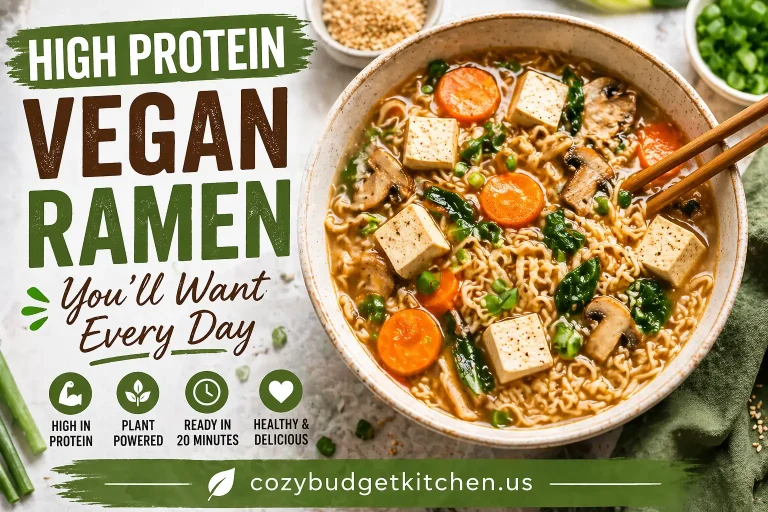
A Simple Guide to Preparing Vegan High Protein Ramen
Welcome to my kitchen! If you are craving a healthy, comforting meal, this vegan high-protein ramen is exactly what you need. Delivering 500 calories and an impressive 37g of protein per serving, it is absolutely loaded with essential vitamins and minerals. It is incredibly satisfying, deeply nourishing, and beautifully simple to customize with whatever plant-based…
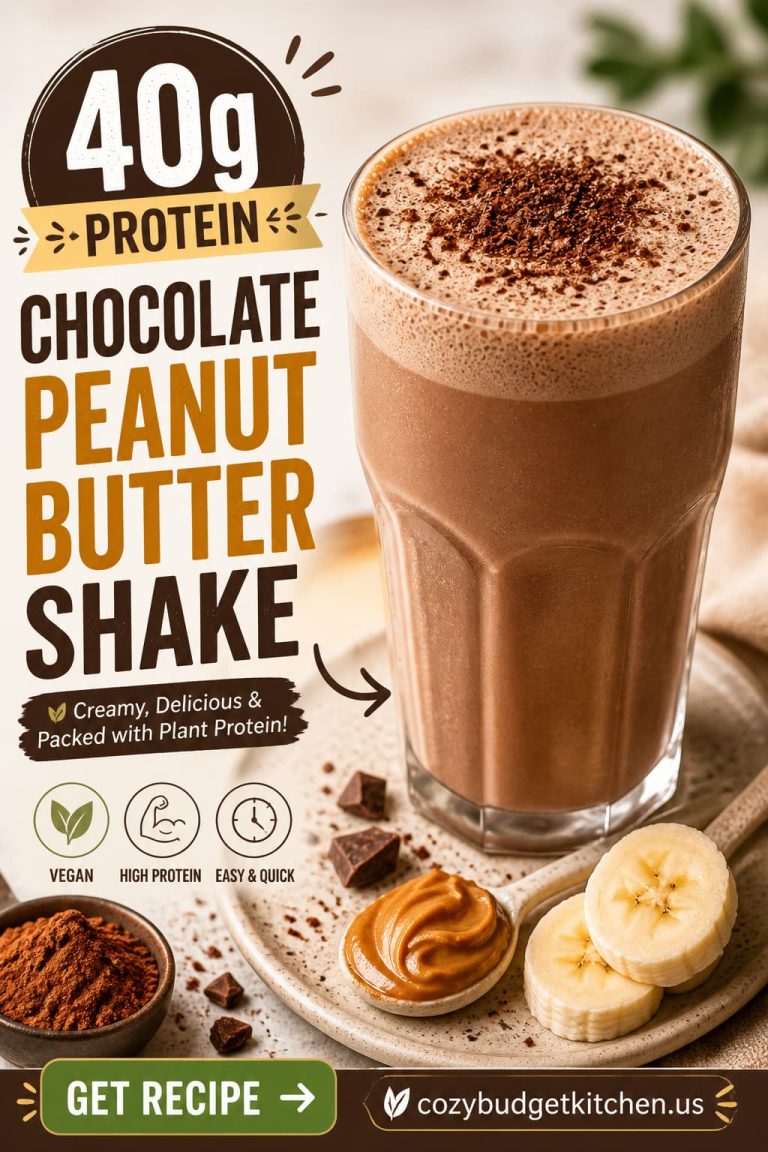
Creamy Vegan Chocolate Peanut Butter Protein Shake (40g Protein)
If you’ve ever stared at your blender after an intense workout and thought, “I need something quick, satisfying, and genuinely DELICIOUS,” this Chocolate Peanut Butter Protein Shake is going to be your new best friend. It honestly tastes exactly like a decadent chocolate peanut butter milkshake, but here’s the best part: it’s completely vegan and…
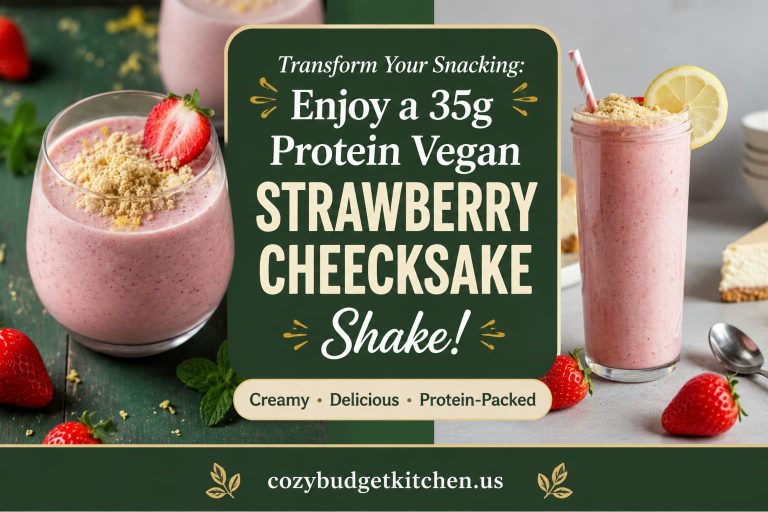
Creamy Vegan Strawberry Cheesecake Protein Shake (35g Protein)
If you have ever daydreamed about turning a decadent dessert into a wholesome, high-protein, entirely plant-based meal, you have definitely found the right corner of the internet. Let me take a wild guess: you are looking for something that is fast, incredibly creamy, nourishing, and loaded with vegan protein—but you absolutely refuse to deal with…
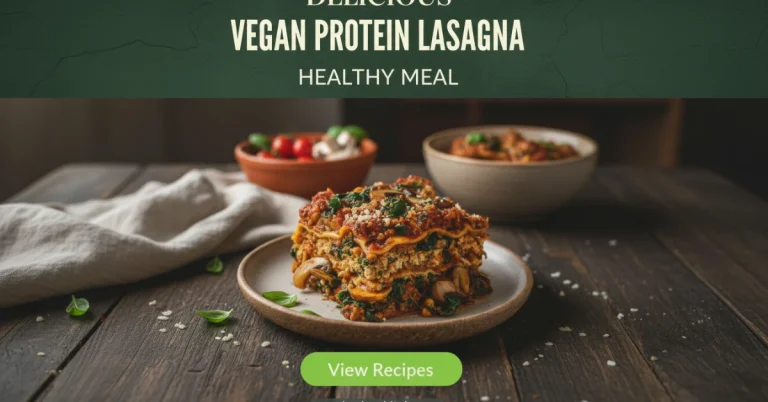
A Hearty High-Protein Vegan Lasagna Recipe
Let’s face it: classic lasagna often carries a heavy reputation. While undeniably delicious, it tends to be greasy, overly rich, and not exactly the smartest option if you’re aiming for a lighter, protein-forward meal. And for those of us eating plant-based? Traditional versions are completely off the table. That’s precisely why I developed this incredible…
10 Simple 5-Ingredient High-Protein Vegan Dinners (Over 20g Protein!)
Have you ever tried sticking to a high-protein vegan diet, only to feel like you’re eating endless plates of plain tofu and feeling a bit miserable? I’ve totally been there! But I promise you, eating plant-based protein doesn’t have to be dull, pricey, or difficult. These fantastic dinners require only 5 ingredients, take very little…
10 Quick & Easy High-Protein Vegan Snacks for Busy Days
Whether you’re rushing through daily errands, traveling across the country, or simply needing a fast bite between your main meals, keeping high-protein snacks within reach is an absolute game changer. Protein is essential—it helps keep you feeling full longer, supports crucial muscle recovery, and ensures your energy levels remain steady throughout your busy day. However,…